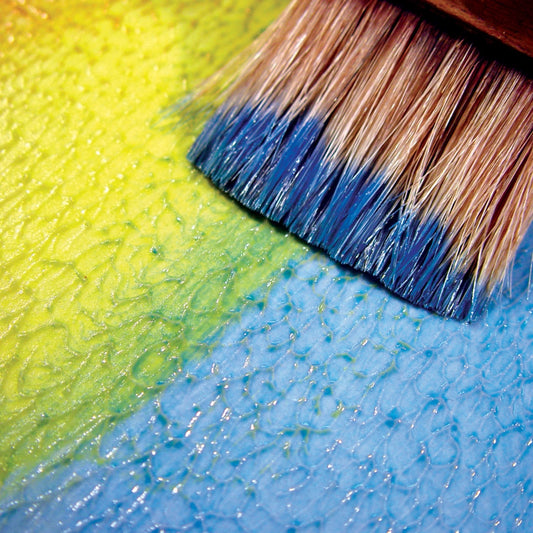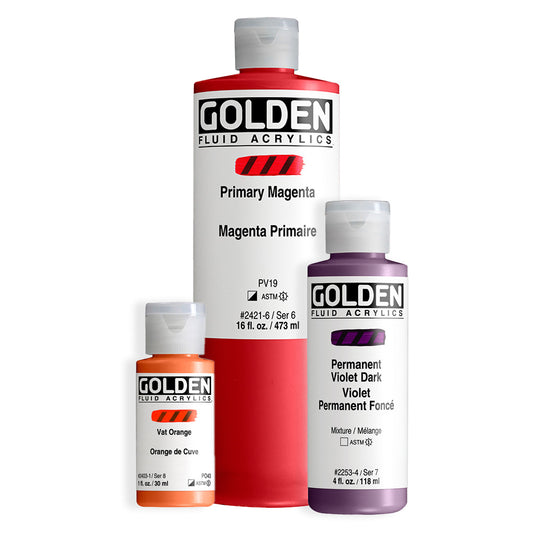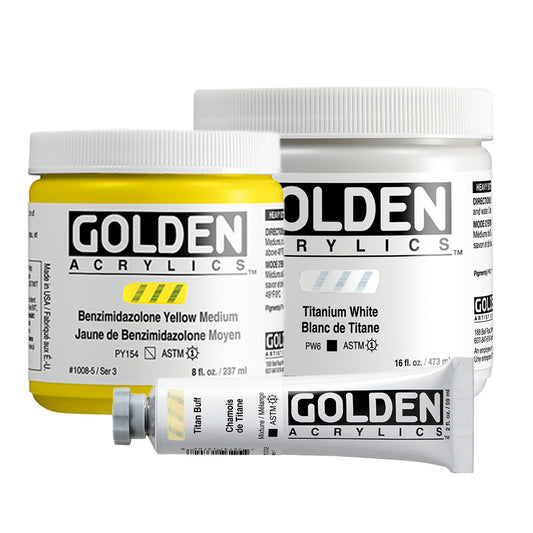



If you’ve ever thinned acrylic paint with water or mixed it with a medium, you’ve already explored the world of washes and glazes. A medium is a paint without pigment and comes in a wide range from thin to thick, glossy to matte, and fast to slow dry. Both techniques create beautiful translucent effects, but the end results vary based on the technique and products used. Here we’ll explore when to use each so we can open up a whole new range of possibilities in your painting.
What’s a Wash?
A wash is simply acrylic paint thinned with lots of water 1 part paint to 9 parts water as a starting point. This creates a stain-like effect as the pigment soaks into the surface, much like watercolor. Washes are perfect for:
- Soft, flowing color that blends easily.
- Staining effects on absorbent surfaces like raw canvas, paper, or primed canvas.
Tip: The out of the bottle thinner consistency of Fluid or High Flow Acrylics make washes easier to mix than if using thicker paint, like Golden Heavy Body.
For more information on thinning with water, and how much water you can use with professional acrylic paint, see Sarah Sands’ article “How Much Water Can You Safely Add to Acrylic Paint” at JustPaint.org – you may be surprised, because it’s a lot!


This shows a Washes of Fluid Acrylic and water (Quinacridone Magenta and Phthalo Blue Green Shade) allowed to dry with Benzimidazolone Yellow Medium wash brushed over top showing optical color mixing, on paper board surface.
Washes made from Fluid Acrylics and water brushed over dry cotton canvas and canvas pre-wet with water and a few drops of Wetting Agent.
What’s a Glaze?
A glaze is paint mixed with a transparent or translucent medium (paint without pigment) instead of water. This creates a smooth, controlled layer that sits on top of the surface. Glazes are great for:
- Rich, luminous color that seems to glow.
- Controlled edges and surface sheen—from glossy clarity to soft, misty effects.

You can make glazes thin or thick, apply them with brushes, palette knives, or even pour them for unique textures.
Glazes of Fluid Acrylics and a range of Mediums on foam core showing a thick application on top and thinly spread applications below. Applied over a brushed line of dried Black Gesso to show translucency.
To Wash, or to Glaze?
- Choose washes when you want watercolor-like effects, soft transitions, and staining.
- Choose glazes when you want depth, vibrant color, and more control over texture and finish.
Tip:
- There are no strict ratios—experiment until you get the look you want, but 1:10 paint to medium is a good starting point.
- Combine washes and glazes for layered, complex surfaces and optical color mixing.
- Pre-mix and store in air tight containers for consistency across multiple paintings.

An acrylic wash on an absorbent surface.
Recommended products:
- Golden Acrylic Glazing Liquid is a versatile medium. It has a consistency similar to Golden Fluid Acrylics. It is pourable, but with some body. Glazing Liquid will also slow the drying time of Fluid or Heavy Body color, so you have time to get thin, translucent layers without the paint setting up too quickly. It comes in two sheens, gloss or satin.
- Other mediums can be used, like Gloss Medium, or Matte medium, which are similar but will dry at the quick pace of acrylic color.
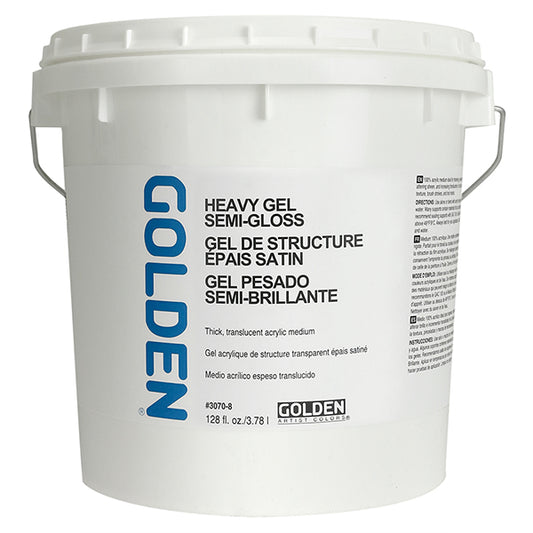
- For thick glazes, Golden Gels should be considered. Golden Regular Gel or Golden Heavy Gel are good options when a textural application is desired.


Glaze made with Heavy Body Permanent Violet Dark and Regular Gel Semi-Gloss, on raw canvas over pencil lines.

Many layers of various glaze mixtures over black brush marks showing optical color mixing and the sheer color and surface effects possible.
Washes and glazes are simple techniques that can transform your acrylic work. Whether you’re after soft, flowing color or rich, luminous layers, these methods give you endless creative possibilities. There are no fixed rations or recipes, only tools to achieve the exact look you want. Experimentation will be the best way to learn how to use these luminous mixtures. So grab your paints, experiment, and see where it takes you!