
- Online Store
- Services
- Shopping in our stores
- Opus PLUS Program
- Custom Stretched Canvas
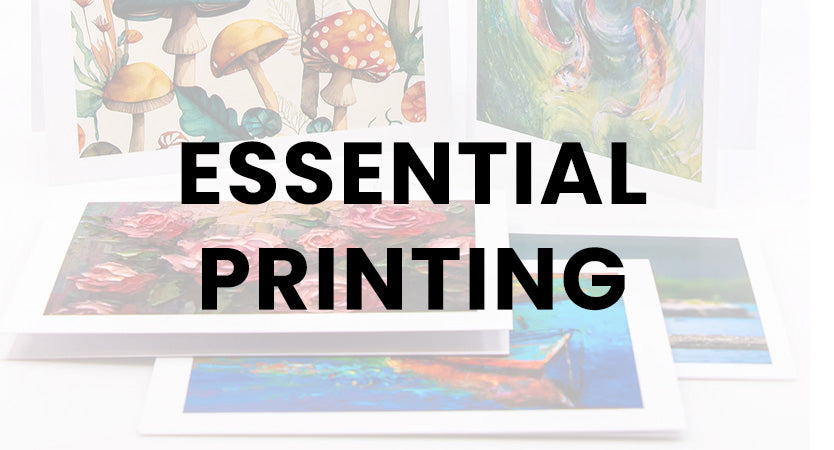
- Fine Art Digital Printing
- Custom DIY Framing
- Mail Order & Online Shopping
- Artist & Store Demonstrations
- How-to Library
- Classroom Space Rental
- Community Workshops & Classes
- Opus Visual Arts Newsletter
- Business-to-Business Services
- Art Education & School Accounts
- Art Educator's Corner
- Community Support & Donations Program
- How-to's, Demos & Workshops
- Art & Community News
- Locations & Ordering Info
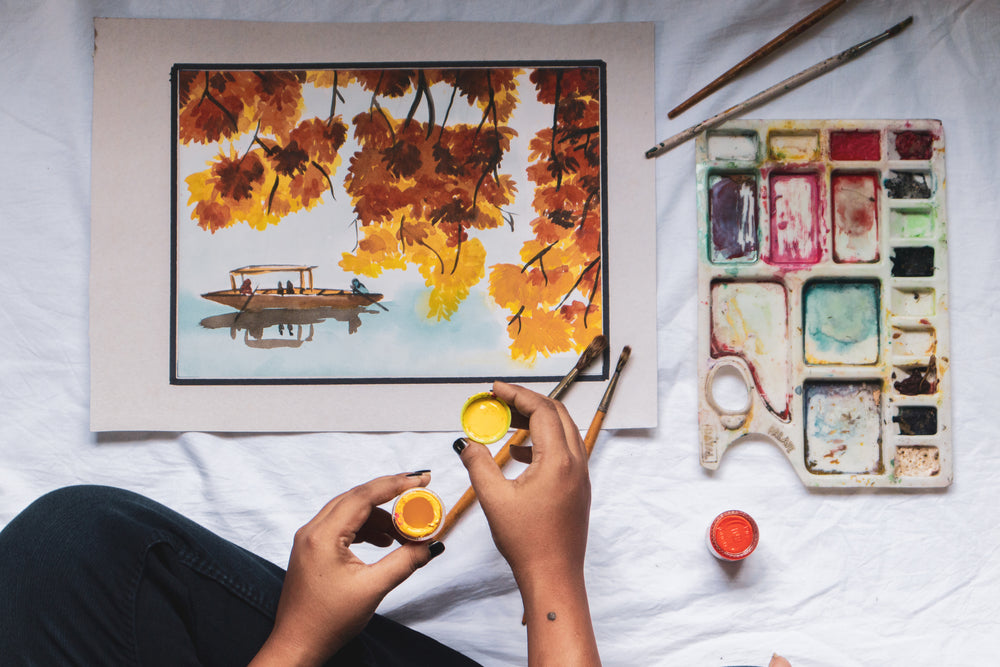
Adding Watercolour Paints to your digital print
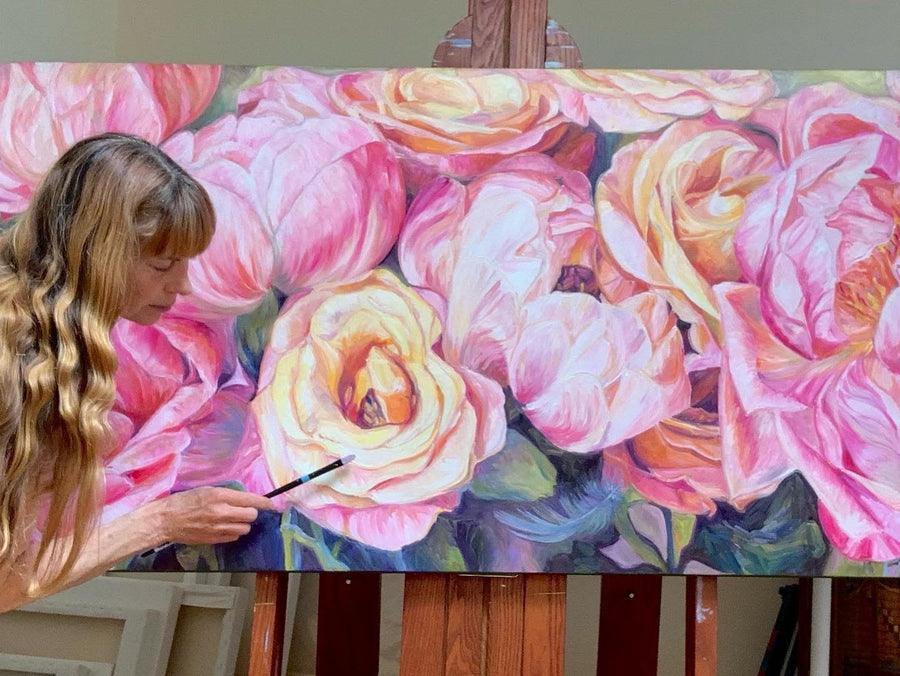
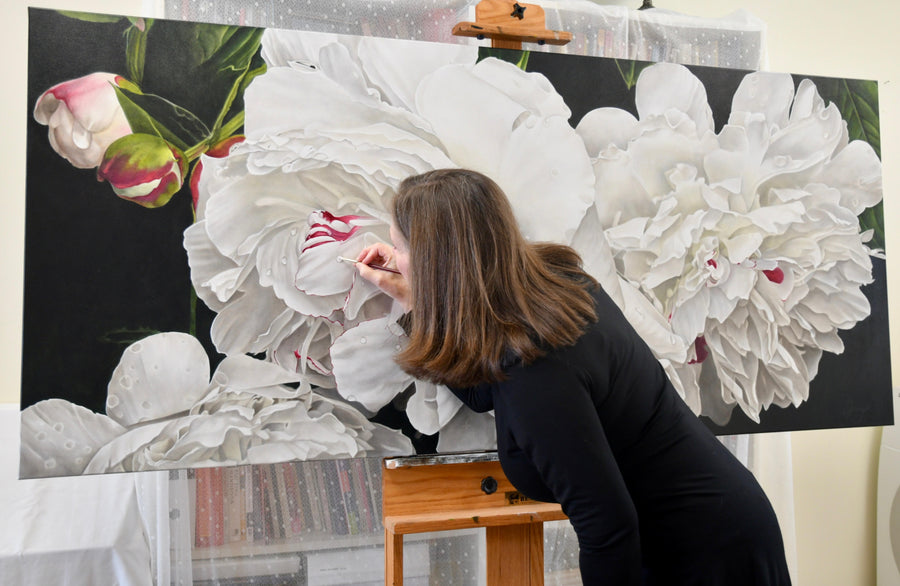
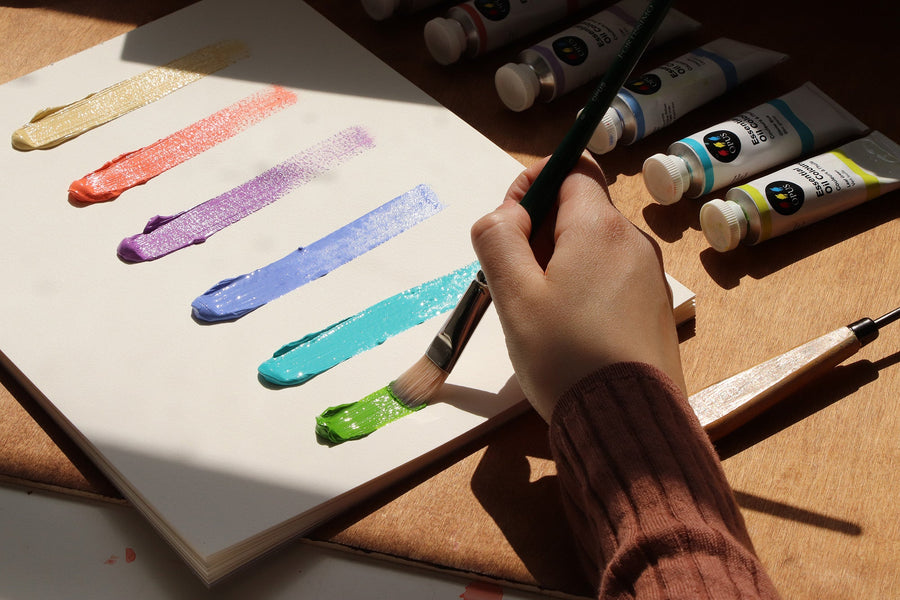
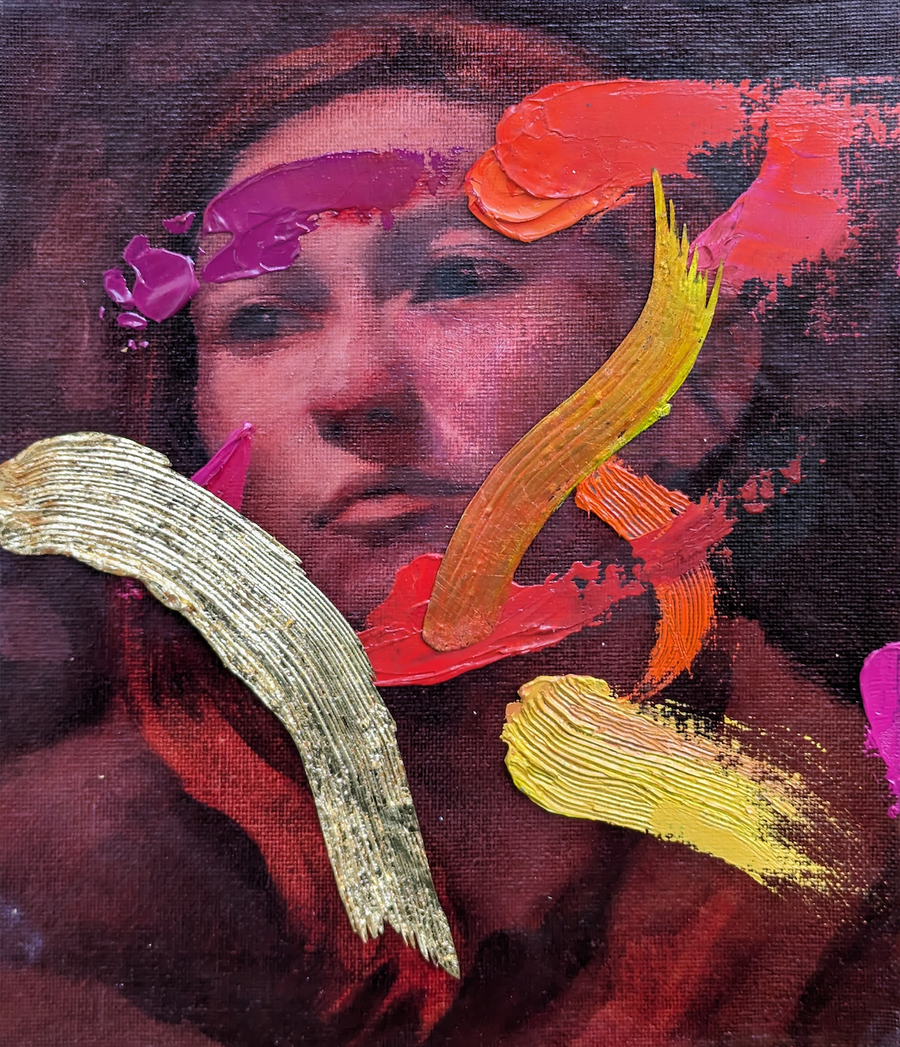
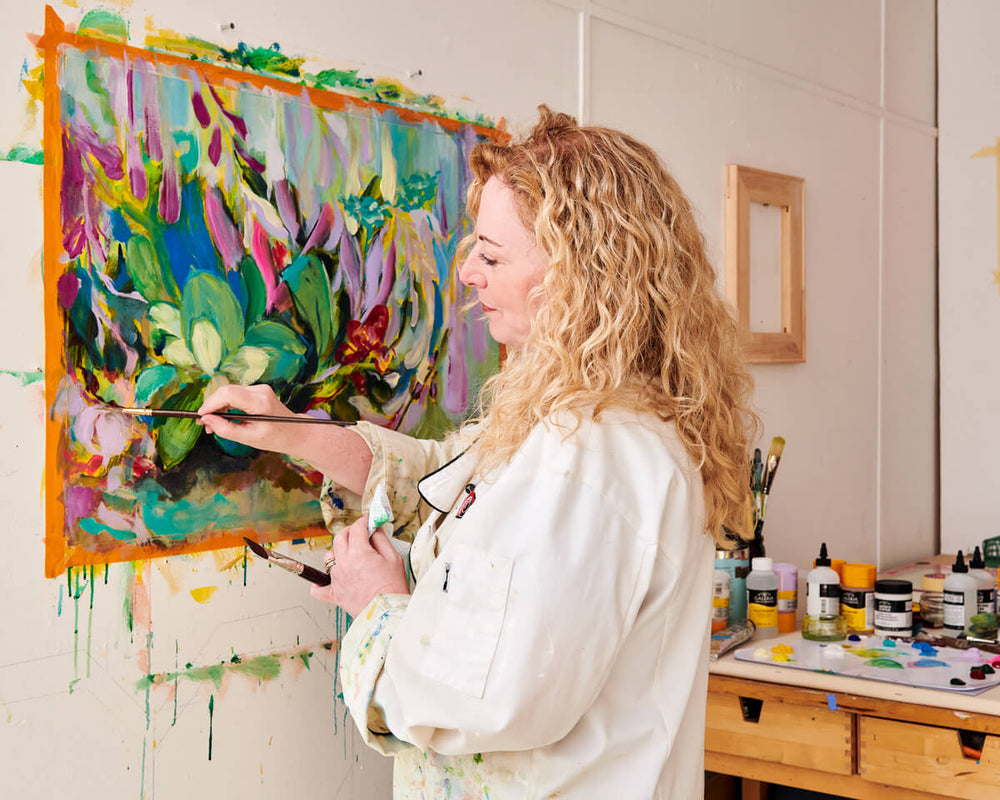
Suzanne adds watercolour paints to her digital print printed on fine art paper – you can choose from printing on Canson or Moab fine art papers. Once the print is dry, add more depth to add by painting on your print with watercolours, inks, acrylics or even gouache. The possibilities are endless!
Upcoming Demos
Refine your skills, learn something new, or get inspired by other artists sharing their ideas and methods. Visiting Artist and Staff Demos are informative, free and happening at an Opus near you.
-
Beyond the JPEG Presentation: Using Digital Images as a Starting Point
Sat, February 11th, 2:00 pm - 4:00 pm
-
Pouring Medium & Other Fluid Mediums
Sat, February 11th, 2:00 pm - 3:00 pm
-
Mixed Media with Acrylic Grounds
(Victoria)Sat, February 11th, 2:00 pm - 3:00 pm
-
Intro to Digital Grounds & Mediums
(Langley)Sat, February 11th, 2:00 pm - 3:00 pm
-
Patterns and Stencils for Mixed Media
(Kelowna)Sat, February 11th, 2:00 pm - 3:00 pm
Comments
Brilliant! Now, do you think you could mount the watercolour paper to a cradle panel, and then rework it? What should you use to bond it onto the panel to prevent buckling as you rework it with watercolour, pencils, pastels... oh, the possibilities are endles...? Finally, how could you seal it so it wouldn't need to be framed behind glass?
I am really happy to see you get so inspired by the youtube video, and yes, the possibilities are endless!
If you wanted to mount the digital print to a cradled panel, you could use several things. First option could be spray glue, but I would probably spray both the panel and the print to get the maximum adhesion. Another option is using acrylic medium. You could put a nice even coat of medium on the panel, put your print in place and then turn it face down, put a weight on it (like a heavy book or two) and leave it to fully dry over night.
If you wanted to seal the print, you could then use a spray varnish, like Golden Archival spray to finish your work. You would want to put 6 to 8 fine coats to protect the work. Keep in mind that this will alter the look of your watercolour and can lighten or deepen the colours a little bit, depending on whether you used matte, satin or gloss spray. Spray varnish will protect your work quite well, but the best protection for digital prints and works on paper is still framing under glass.
Hope this answers your questions, but if you need any other bits of advice, you can call the digital printing department and speak with our print specialist Lindsey.
Happy creating!
What an amazing option for photographers/watercoloursists! I'm excited. I wondered what quality of printer is needed? Mind is an old deskjet 932C. It prints digital photos but not perfectly! Do you have a recommendation? I'm eager to get some fine art paper for digital prints and get started!
Thanks
I work in collage and mixed media paintings, and I am very interested
in the question of what could you use to seal such a painting to avoid the
conventional glass/frame,
Absolutely fantastic ! I can't wait to try this using my photos & paintings and adding watercolours and acrylics. A very good, instructive video
hi i am wanting to know what type of printer method you used is it inkjet or pigment?
Hi Toni,
The image in the video was created using our Fine Art Digital Print Service which uses pigment based inks on digital papers (which contain a surface sizing that locks the ink in place before it soaks into the paper). This allows you to use water-based media such as watercolours without the ink bleeding.
The dye-based inks used in ink jet printers will bleed if a water-based media is used on them. While printing on digital paper may offer some water resistance, it's likely not enough to use the technique shown in the video.
Thanks for your question!
OMG i never knew that this could be a technique for practicing with water colors! I was wondering, is it possible to do the same thing with pencil water colors? Like first color the picture with the pencil water colors and then add the water with the brush? Would it still look the same as it would with normal water colors?
Yes, using watercolour pencils will work in the same manner - and maybe even easier that traditional watercolour. By drawing on the surface of the print, you are dispersing the colour in effect, before even applying the wet brush to it.
As with all wet media that you might add to a digital print, there are several things to consider:
- The print needs to be pigment based inks - dye based inks tend to bleed and run when they get wet.
- The sizing, or coating which makes the paper a digital paper, traps the colour and holds it in place firmly. So, if you are prepared for that, then you can apply the paint lightly and possibly build on it in layers. When using regular watercolours, you may wish to work in a "wet on wet" process so you have a bit more time to move the paint.
- The paper will buckle a bit when you start adding water to it. Therefore, it would be a good idea to stretch your print, or tape it down before starting to paint on it.
Hope that helps!
Hello,
I've been wanting to use a nature photo as a background to create something that looks color-blocked. My goal is to make the image look a bit abstract. Do you think that would work?
thanks!
Post new comment