
BUY 4, GET 1 FREE
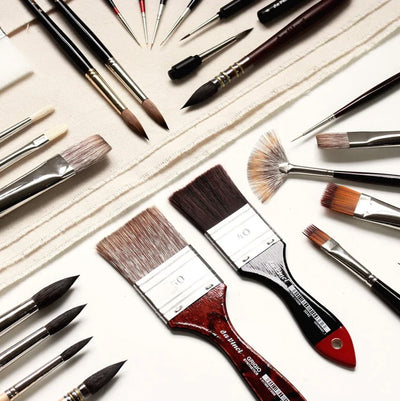
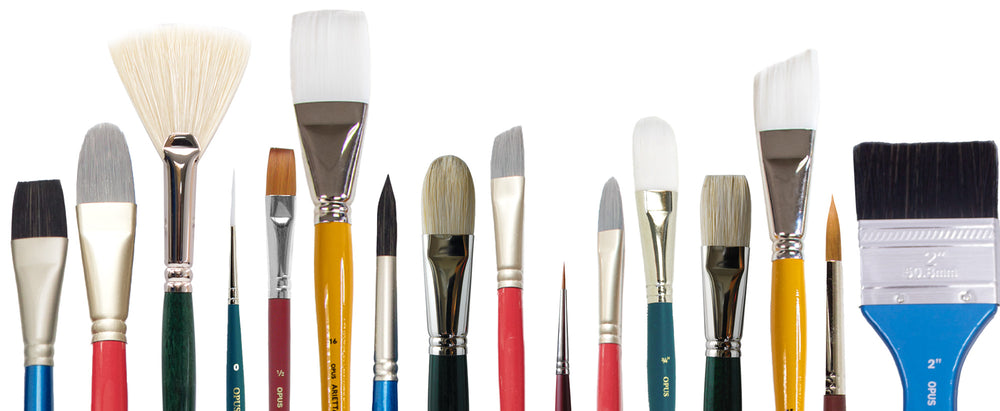
Buy any 4 Opus brushes and the 5th is our treat to you! Build the set that works for you from the gentle touch of Arietta to the bold command of Mezzo, let's complete your brush toolkit.
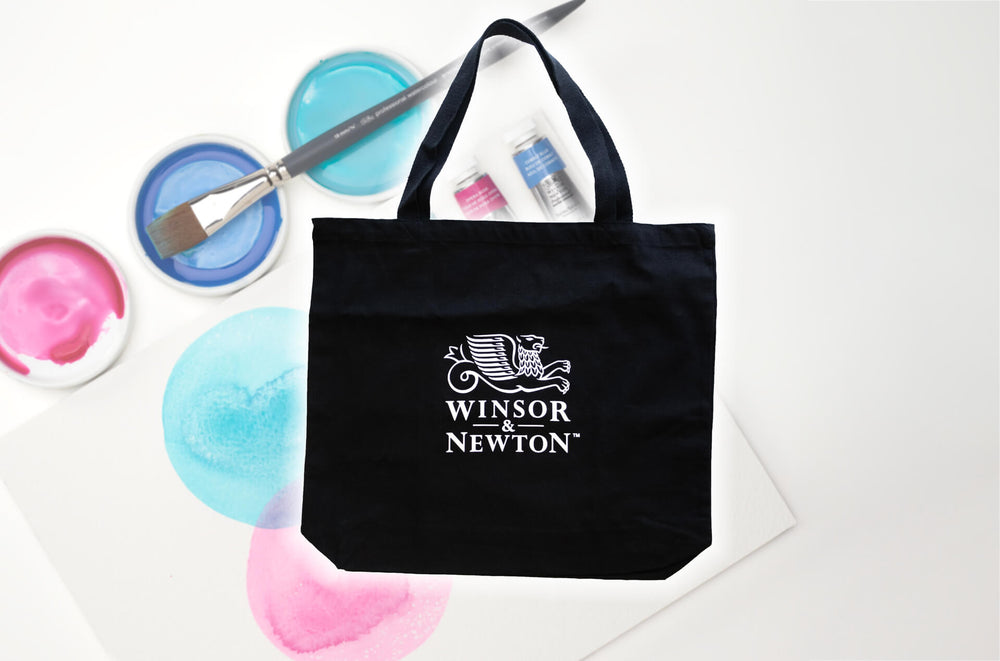
Get a Free Gift From Winsor & Newton
Spend $40+ on any combination of Winsor & Newton products to receive a FREE Winsor & Newton tote bag with your order, available while quantities last.
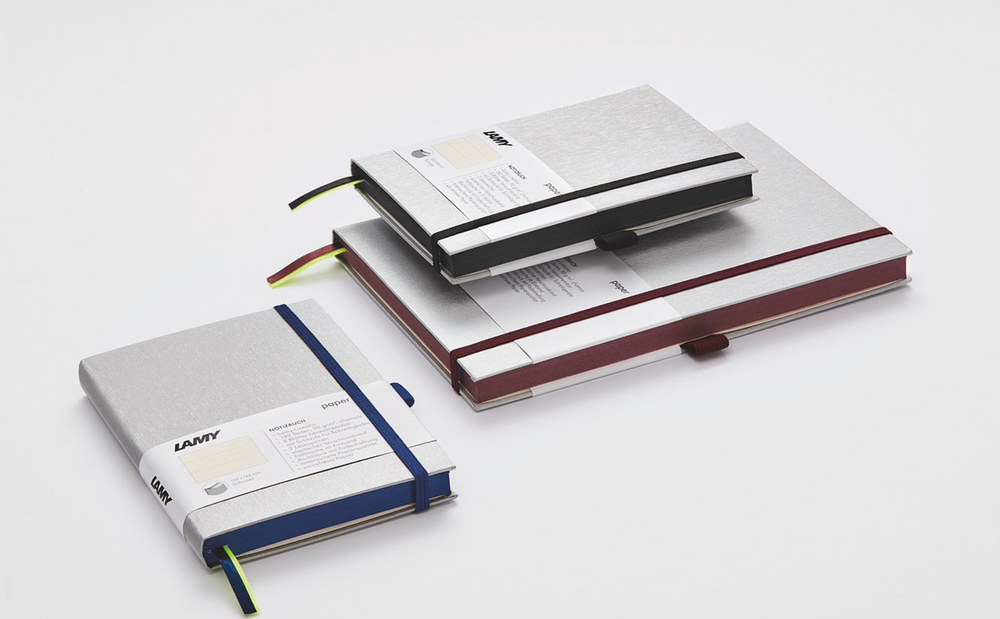
30% OFF Lamy Notebooks
Take note with these exceptional notebooks featuring acid-free bleedproof lined paper. Save 30% OFF Lamy Notebooks until April 30, 2024
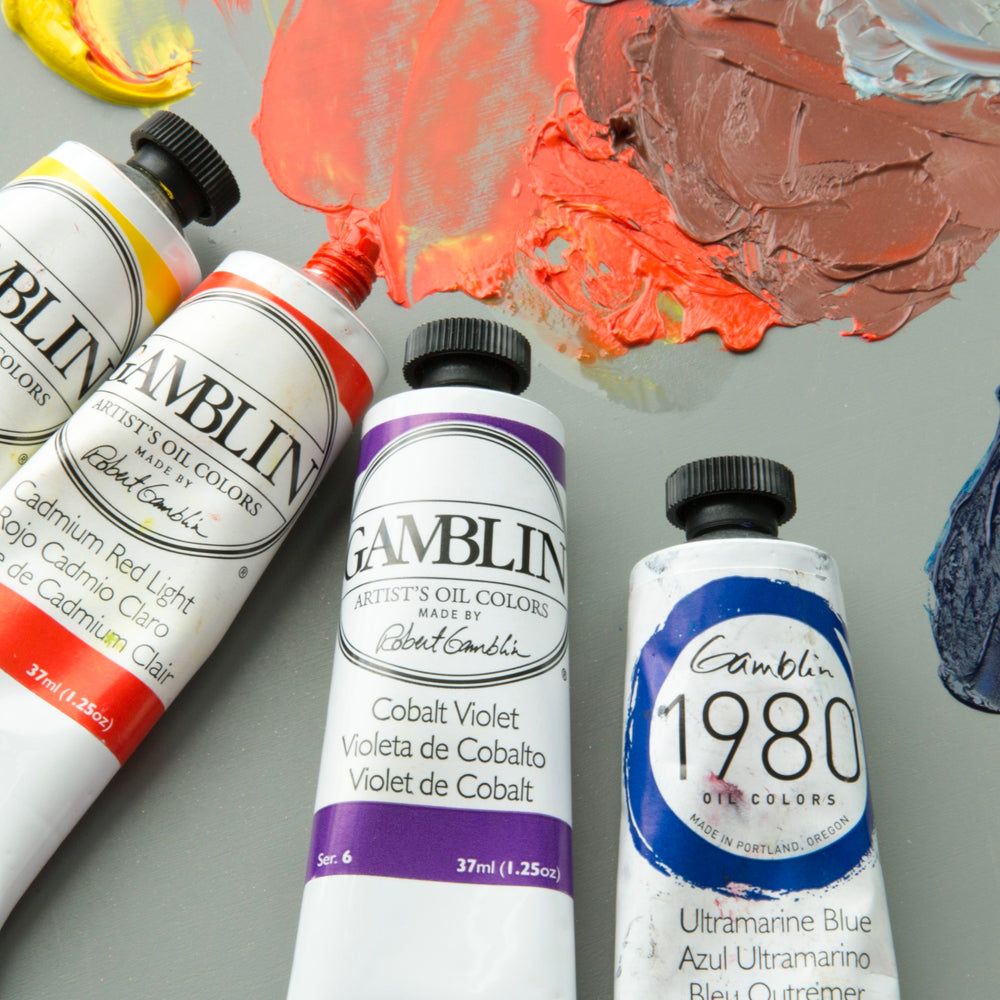
Get a Free Gift From Gamblin
Spend $40+ on any combination of Gamblin products to be prompted to choose between two available gifts to receive with your order. While quantities last.
Opus Custom Services
Get exactly what you need with custom - crafted by skilled technicians at the Opus Workshop in Vancouver, BC.
Frame Your Art, Your Way
Put your best frame forward with our Custom Frames service. Choose your preferred moulding, mat, glass, and backing to perfectly complement your artwork, creating a unique and personalized presentation.
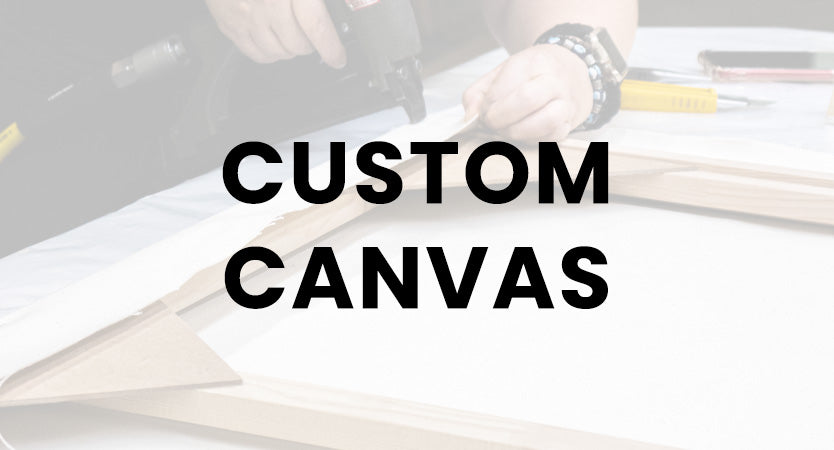
Handcrafted Canvas To Your Specs
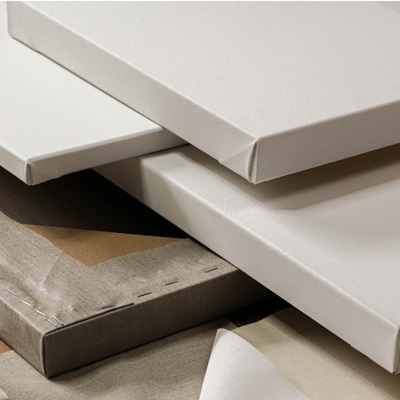
Our Custom Canvas service is designed to meet your specific needs. We'll handcraft a pre-stretched canvas to your exact specifications, ensuring you start your artwork the way you envision it.
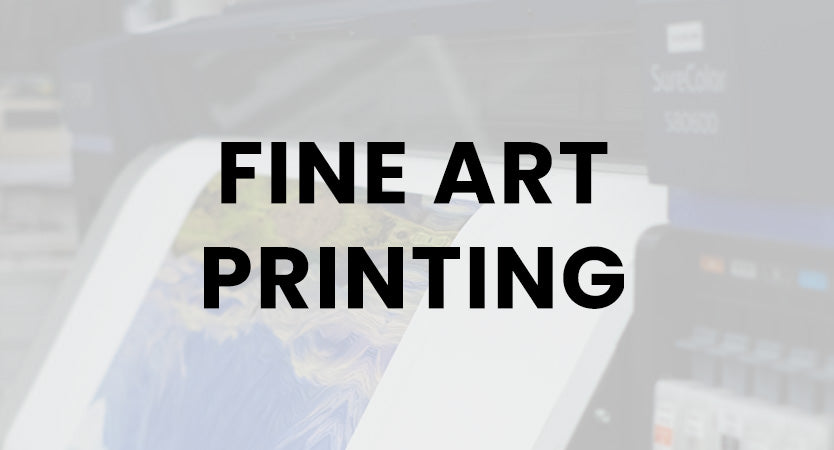
Unmatched Printing Quality
Experience the pinnacle of precision with Opus Art Supplies' Fine Art Printing service. Our ultra-high quality printing, unparalleled color accuracy, archival materials, and a wide range of sizing options ensure that your art is faithfully and beautifully reproduced.
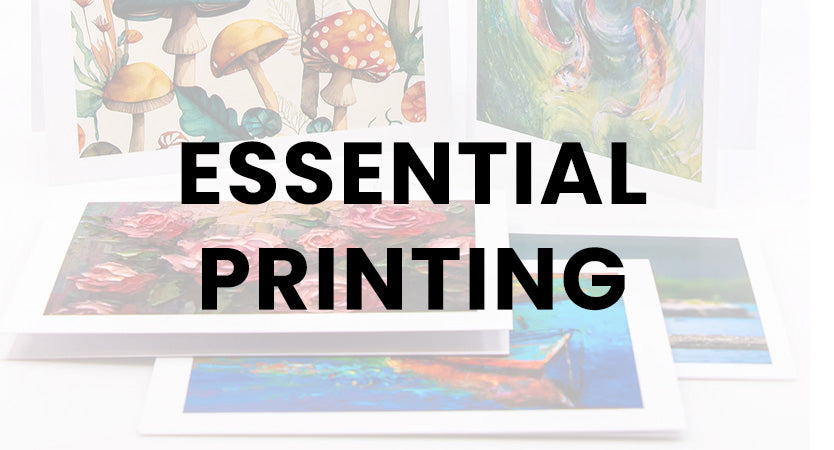
Affordable Art Prints for Everyone
Opus Essential Printing offers a budget-friendly way to bring your art to life. Whether it's turning your masterpieces into greeting cards or 8x10 prints, our affordable pricing makes it accessible for all artists.
Artist-Led Events & Demos
Join for free, included in your Opus Membership
Community Resource Library
Find articles to inspire, learn, connect, and discover.
Memberships For Artists
Created to support those on the pursuit of creativity.
April 18, 2024
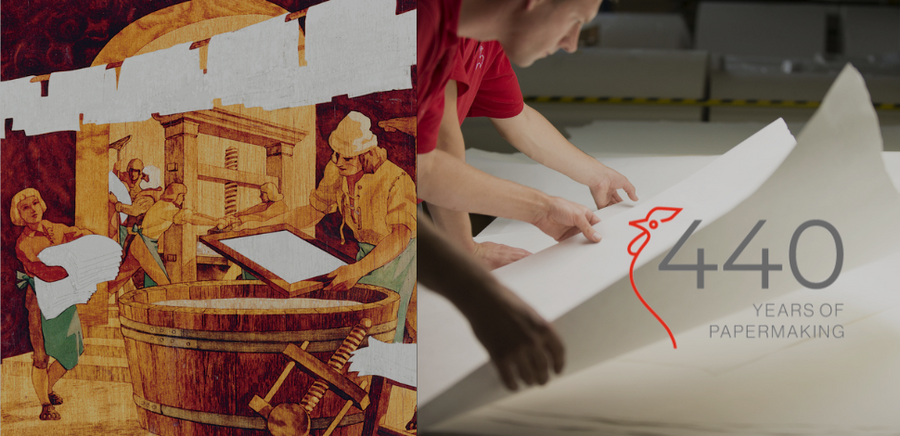
Hahnemühle Celebrates 440 Years
April 15, 2024
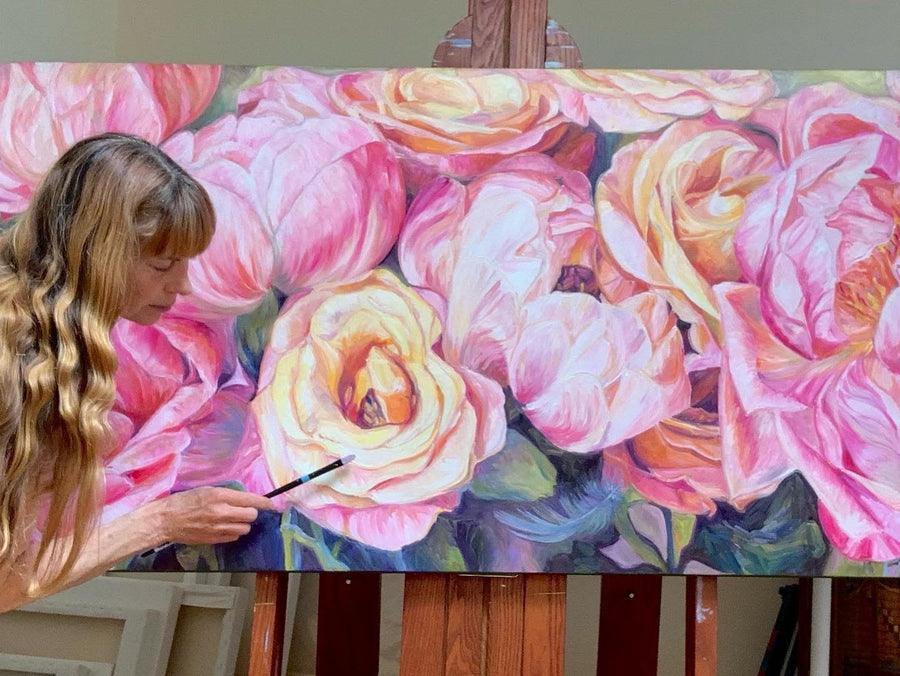
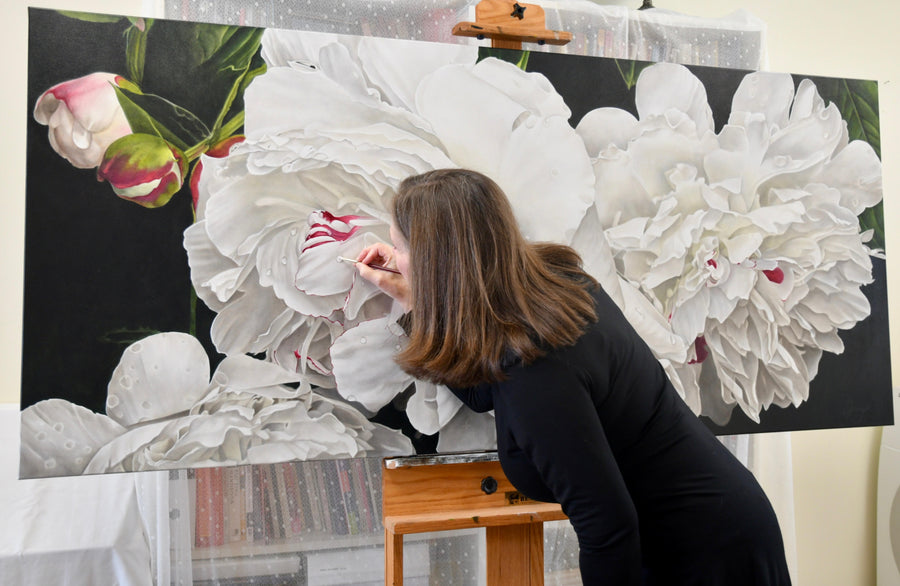
Blossoming As An Artist with Sandy Terry

April 12, 2024
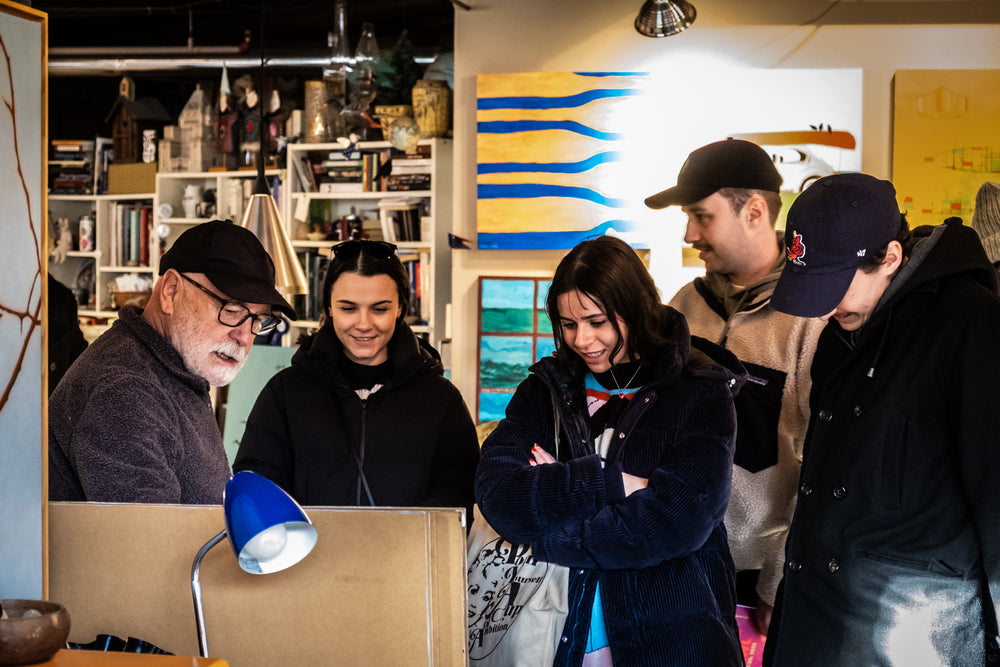
The Opus Warehouse Sale 2024
April 05, 2024
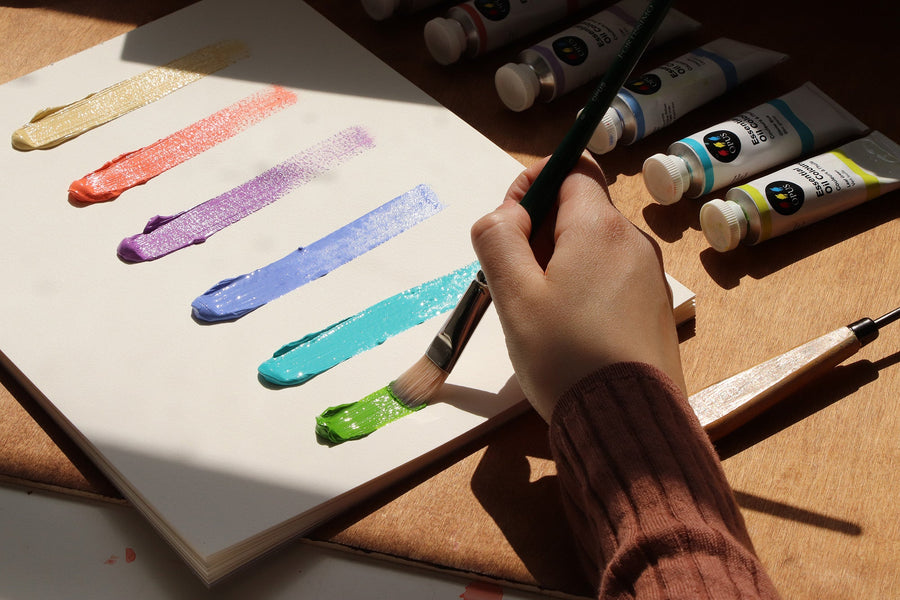
Revival of Colour with Opus Essentials Spring Colours
April 02, 2024
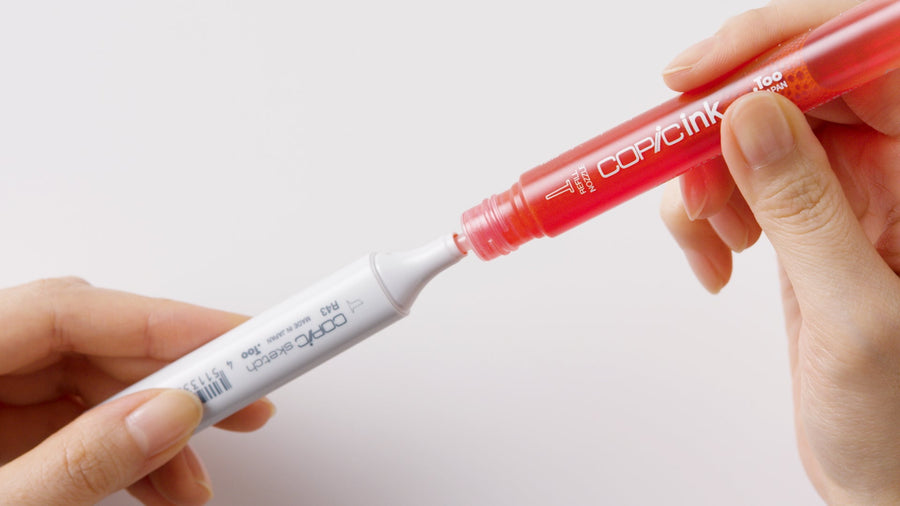
How To Refill COPIC Markers

April 01, 2024
Liquitex: Just Imagine 2024
March 28, 2024
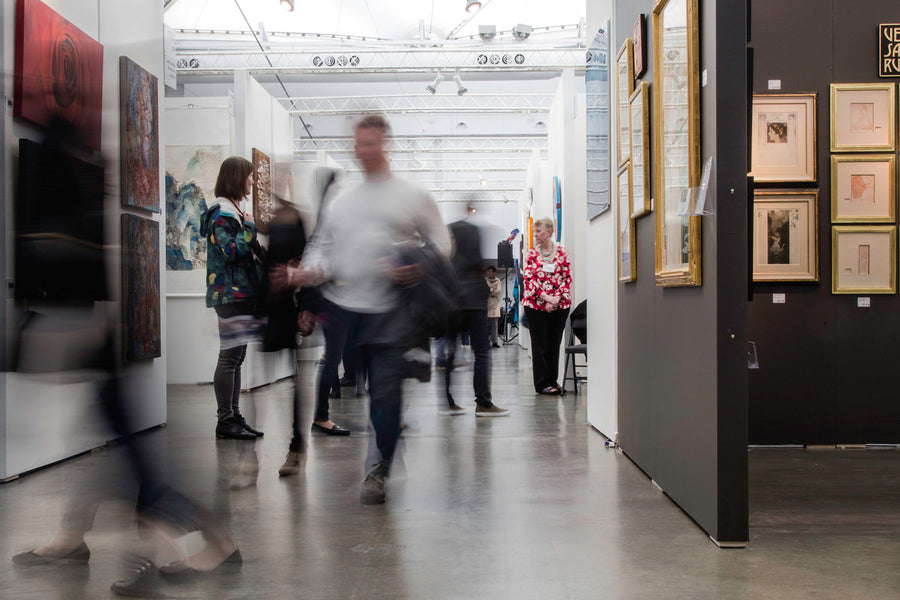
Art Events: Art Vancouver 2024
March 23, 2024
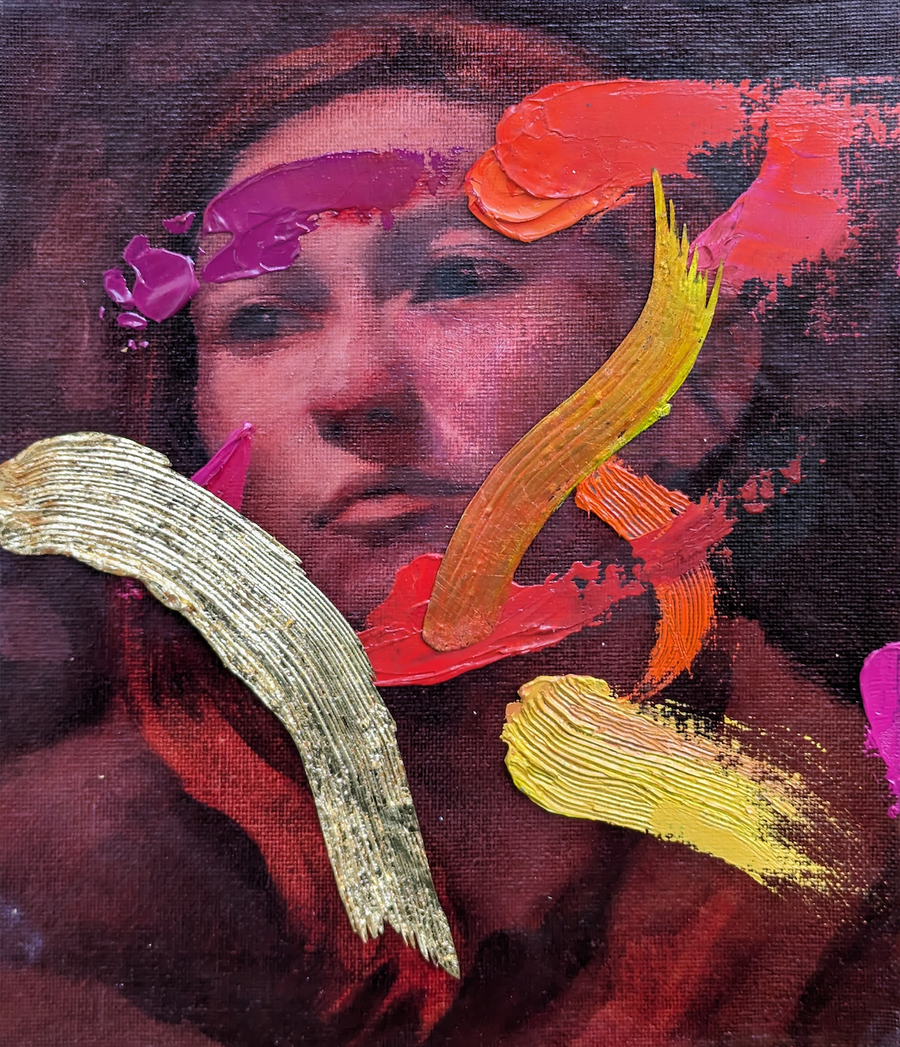
An Exploration Update with Cara Bain
March 20, 2024
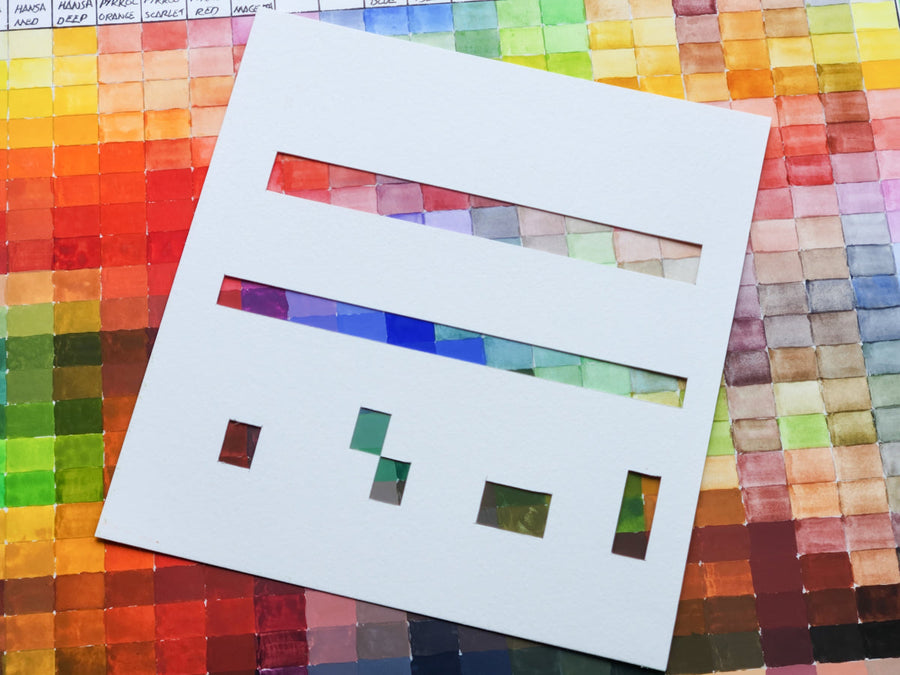
How To Make A Mixing Chart with Daniel Smith Gouache
March 19, 2024
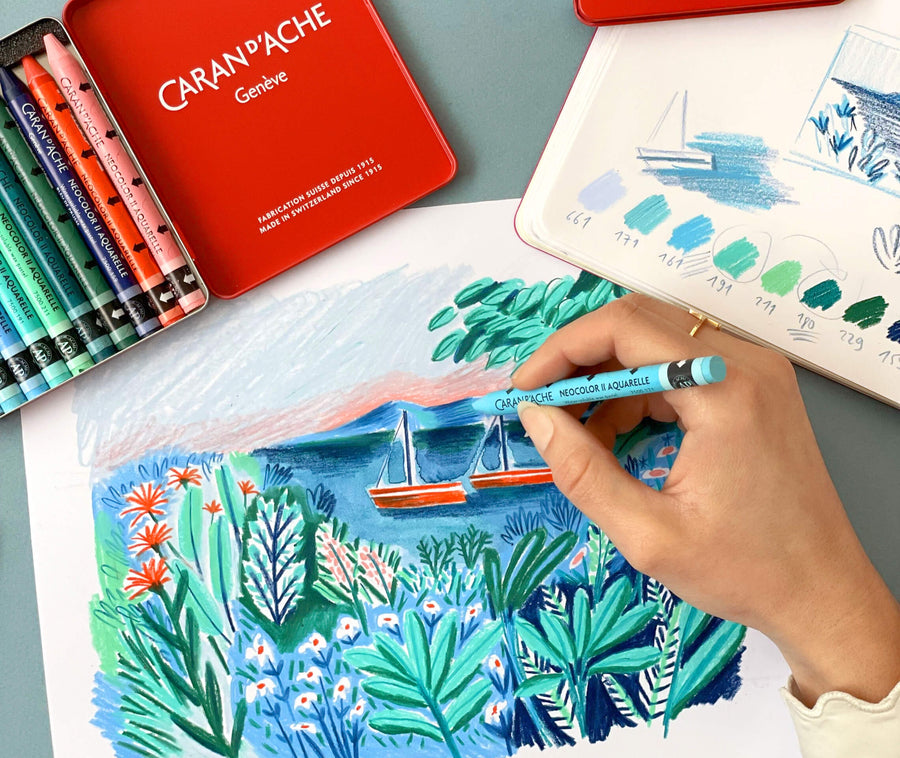
Learn to Draw Like Beya Rebai with Neocolor II
March 13, 2024
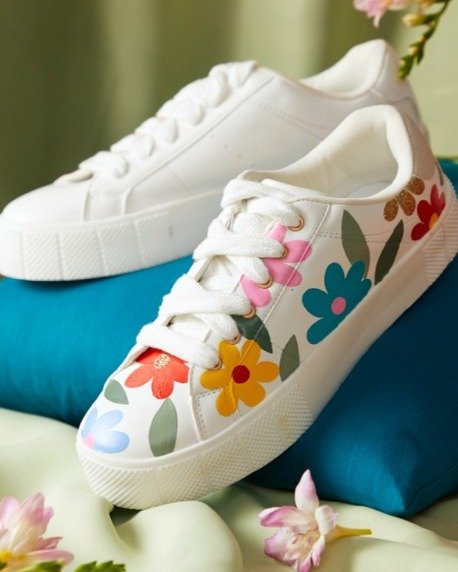
Customize Your Leather Trainers with Floral Motifs
March 13, 2024
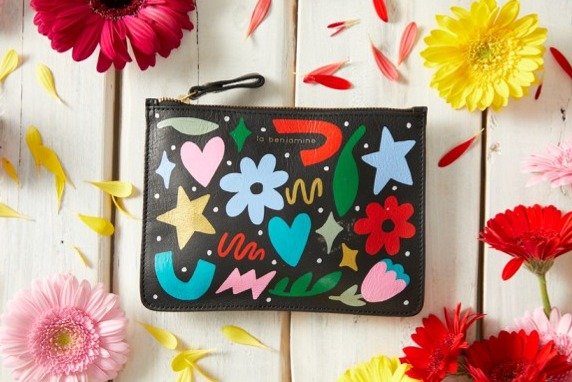
Customize Your Own Leather Pouch
March 13, 2024